 By Carlos
Introduction
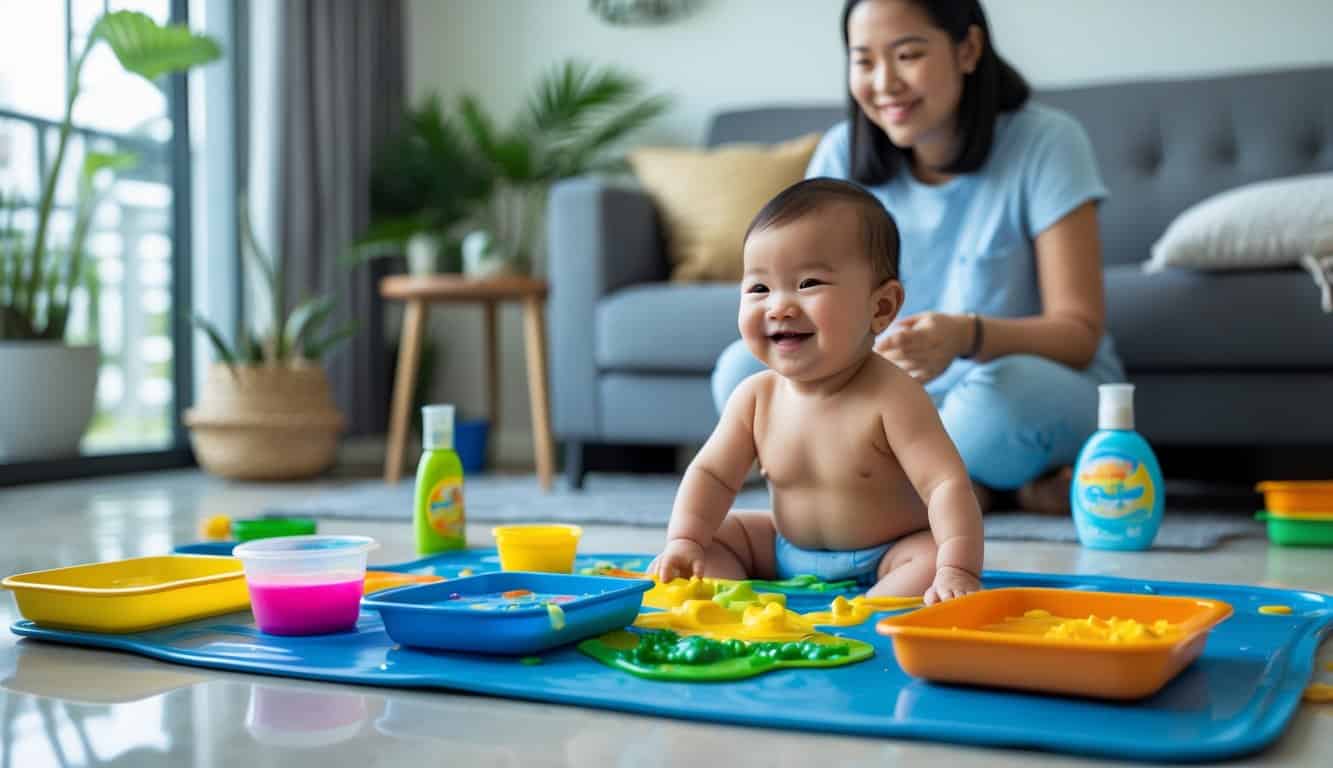
Think messy play is only chaos and stains? Chill, lah. With the latest 2025 update, you’ll see it’s safe, customizable, and great for brain growth. This quick-scan, mobile-first guide busts common myths and shows you taste-safe, water, tray, and creative options you can tailor for your baby. Here’s your local-friendly guide to messy play for infants with easy clean-up tricks, even in small Malaysian homes or condos.
Many parents worry that messy play for infants is inherently unsafe, but the fact is it can be perfectly safe with proper supervision. By using taste-safe bases and staying close by during activities, you minimize risks while allowing your baby to explore freely. This approach turns potential hazards into opportunities for learning and fun.
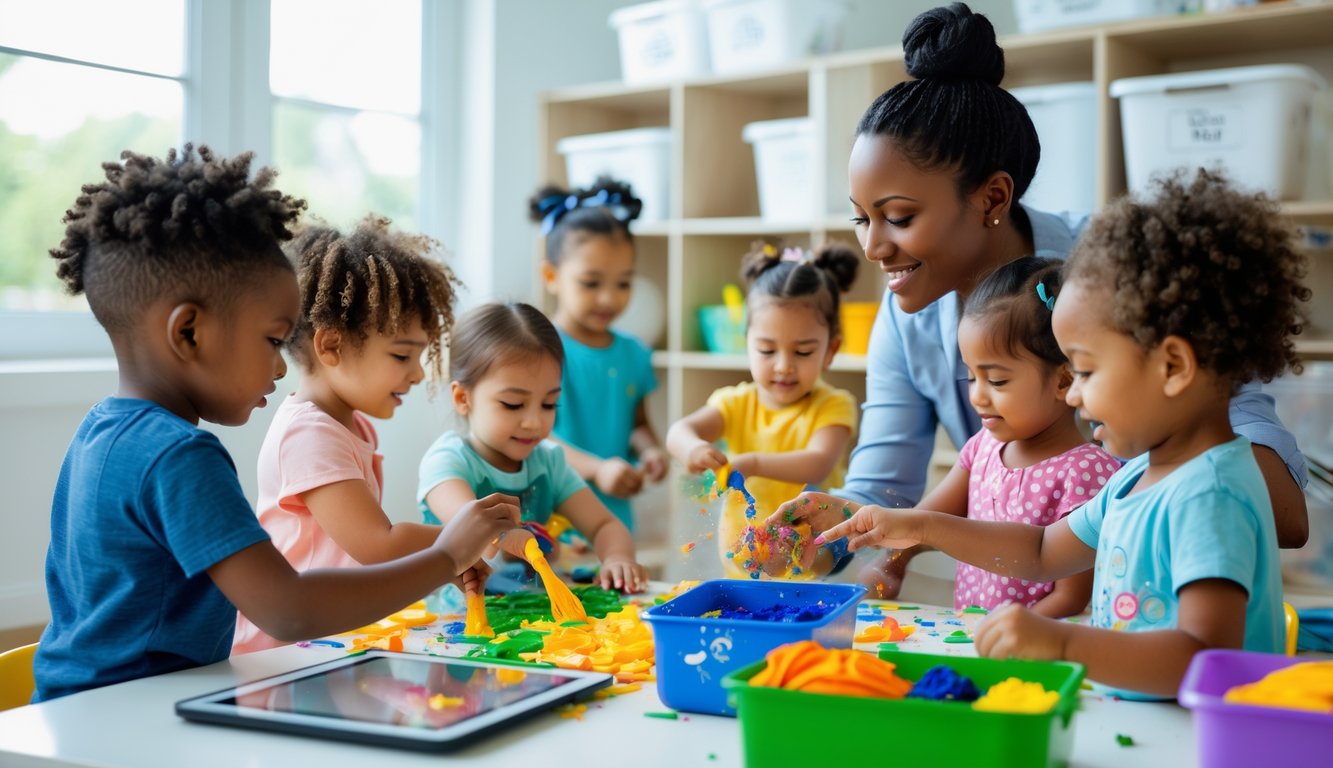
Another common myth is that messy play is only suitable for toddlers, yet infants can benefit immensely from it as well. Starting with simple, short sessions helps babies build sensory awareness without overwhelming them. As they engage, you’ll notice improvements in their curiosity and motor skills over time.
People often think messy play is too hard to clean up, but clean-up can actually be straightforward with the right strategies. Using mats, trays, or even incorporating play during bathtime keeps things contained and easy to manage. These tips are especially useful in compact spaces like Malaysian condos.
Finally, the idea that messy equals dirty overlooks its value as purposeful learning. Setting simple rules and washing hands afterward ensures hygiene while promoting educational growth. Embracing this mindset shifts messy play from a chore to an enriching experience for both parent and child.
What is Sensory Play?
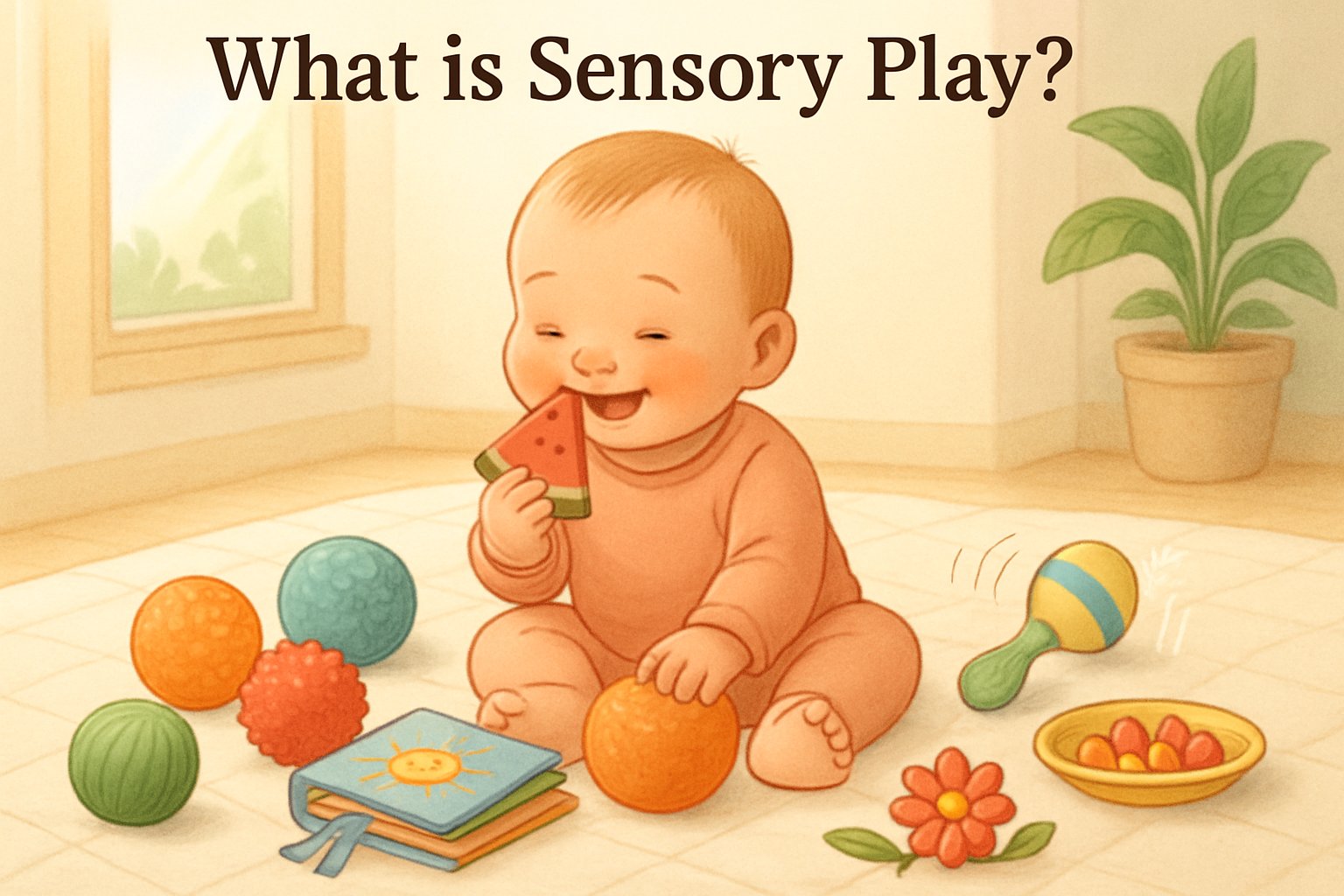
Sensory play encompasses a wide range of activities designed to stimulate a baby’s senses, including touch, sight, sound, smell, and taste, making it an essential part of early development. For infants, this type of play focuses on gentle, age-appropriate exploration rather than complex crafts, allowing them to discover the world in a safe and engaging way. Parents can easily customize these experiences by adjusting textures, temperatures, and sounds based on their baby’s individual reactions and preferences, ensuring a positive and tailored introduction to sensory play.
Turn Tummy Time into a Sensory Experience
Transforming tummy time into a sensory adventure can make this essential exercise more enjoyable for your infant. Place a baby-safe mirror nearby to capture their attention and encourage head lifting, while adding crinkle fabric provides intriguing sounds and textures to explore. Keep sessions short, around 5-10 minutes, to prevent fatigue, and always supervise closely to ensure safety. Over time, this enhanced tummy time not only strengthens muscles but also boosts visual and auditory stimulation, contributing to overall development.
Use Black and White Shapes Around Your Little One’s Play Area
Incorporating high-contrast black and white shapes into your baby’s play area can significantly enhance their visual development, as these patterns are easier for young eyes to focus on. Simply tape simple cards or drawings on walls or crib sides, positioning them at eye level for maximum engagement. Rotate the shapes weekly to maintain interest and prevent boredom, while observing how your infant responds to the contrasts. This straightforward activity supports early cognitive growth and can be seamlessly integrated into daily routines for ongoing sensory play benefits.
Have Fun at Bath Time with Water Play
Bath time offers a perfect opportunity for water-based sensory play, which is both soothing and stimulating for infants. Fill a shallow tub with warm water and add simple items like cups or soft toys for pouring and splashing activities. Always maintain a firm grip on your baby to ensure safety, and keep the water at a comfortable temperature to avoid any discomfort. This type of play not only cleans but also introduces concepts of cause and effect, making routine baths an exciting part of your baby’s day.
Explore Different Textures
Introducing a variety of textures during playtime helps infants develop tactile awareness and fine motor skills. Offer soft cloths, silicone brushes, or even natural items like feathers, allowing your baby to touch and grasp them under close supervision. Watch their reactions closely to gauge preferences and adjust accordingly, ensuring the experience remains positive. Over multiple sessions, this exploration can lead to improved sensory processing and greater curiosity about the world around them.
Make Music and Sing
Creating music and singing with your infant fosters auditory development and emotional bonding in a joyful way. Hum familiar tunes or nursery rhymes while gently shaking rattles to introduce rhythm and sound variations. Keep the volume soft to avoid overwhelming your baby’s sensitive ears, and incorporate simple movements for added engagement. This activity not only soothes fussy moments but also encourages vocal imitation, laying the foundation for future language skills.
Let Your Baby Mouth Safe Objects
Allowing supervised mouthing of safe objects is a natural way for infants to explore their environment orally. Choose large, non-toxic items that pose no choking hazards, such as teething rings or soft blocks, and always clean them thoroughly before each use. Monitor your baby’s interactions to ensure safety, and use this opportunity to teach about textures and tastes. This common infant behavior supports oral motor development and satisfies their innate curiosity effectively.
Why is it Important to Encourage Sensory Play?
Encouraging sensory play from an early age is crucial because it helps build essential brain connections that form the basis for learning and development. This type of play supports motor planning, emotional regulation, and overall cognitive growth, all while being adaptable to your baby’s unique comfort level and pace. By integrating sensory activities into daily routines, parents can create enriching experiences that promote holistic development in a fun, interactive manner.
Sensory Exploration
Sensory exploration allows babies to learn about their world primarily through touch, which is one of their most developed senses at birth. Offer a range of safe, age-appropriate items and follow your baby’s lead to ensure the activity remains engaging and stress-free. This hands-on approach not only satisfies natural curiosity but also helps infants process new information more effectively. Regular exposure to varied sensations can enhance their ability to adapt to different environments over time.
Fine Motor Skill Development
Activities that involve small grabs and manipulations are key to developing fine motor skills in infants. Encourage practice with pincer grasps using soft, varied-sized objects that are easy to hold. As your baby progresses, these exercises strengthen hand-eye coordination and dexterity. Consistent engagement in such play lays a strong foundation for future tasks like writing and self-feeding.
Cognitive Growth and Problem-Solving
Simple cause-and-effect interactions in sensory play teach infants the basics of problem-solving and cognitive growth. Model curiosity by demonstrating how objects work together, and celebrate their small achievements to build confidence. This type of encouragement fosters a love for learning from an early age. Over time, these experiences contribute to improved reasoning skills and adaptability.
Encouraging Creativity and Imagination
Introducing colors and remixable materials sparks creativity and imagination in young minds. Keep ideas flexible, allowing your baby to explore without rigid structures. This open-ended approach nurtures self-expression and innovative thinking. As they grow, such play evolves into more complex artistic endeavors.
Social and Emotional Development
Shared sensory play strengthens bonds between parent and child through interactive experiences. Mirror your baby’s emotions to help them understand and regulate feelings. Establishing calm routines around these activities promotes emotional security. Ultimately, this supports healthier social interactions as they mature.
Activity Ideas for 0-9 Months and Up
For infants aged 0-9 months, activity ideas should prioritize gentle, taste-safe setups that align with their developmental stage, ensuring safety and enjoyment. Begin with short, cheerful durations to build positive associations, and always customize textures based on your baby’s age and readiness cues. These activities not only stimulate senses but also foster parent-child bonding in a low-pressure environment.
Edible and Taste-Safe Sensory Bases
Edible sensory bases provide a worry-free way to introduce messy play for infants, using common kitchen items that are safe if ingested. Cook soft options like mashed fruits or vegetables mixed with warm water, avoiding any added salt or potential allergens. This approach allows babies to explore freely while parents maintain peace of mind. Regularly rotating bases keeps the experience fresh and engaging.
Edible Oat Sensory Bin
An edible oat sensory bin is simple to set up using plain, uncooked oats that are soft and safe for little hands. Add child-safe spoons for scooping, keeping the layers shallow to prevent overwhelm. Babies love the texture, which encourages tactile exploration and fine motor practice. After play, oats can be easily swept up or repurposed, making clean-up hassle-free.
Edible Cereal Safari
Create an edible cereal safari by selecting ring-shaped cereal that’s easy to grasp and crunch. Hide small toy animals within the cereal to add an element of discovery and excitement. The crunching sounds build auditory interest while promoting hand-eye coordination. This activity is ideal for short sessions that end with a tasty snack.
Edible Waterbeads – Tapioca Pearls
Tapioca pearls serve as edible ‘water beads’ once fully cooked and cooled, offering a squishy texture for sensory play. Supervise mouthing closely to ensure safety, as their gel-like consistency is intriguing for babies. This base can be combined with other elements for variety. Discard any unused portions to maintain hygiene.
Edible Spaghetti Play
For edible spaghetti play, dye cooked noodles with food-safe colors and snip them into shorter pieces for easy handling. Offer small handfuls to avoid mess overload, letting your baby squish and pull, which aids in developing grip strength. The colorful strands engage visual senses effectively. This activity transitions well into mealtime exploration.
Taste-Safe Sensory Farm
Build a taste-safe sensory farm using mashed potatoes as the base and adding vegetable ‘fields’ for texture variety. Drive toy tractors through the setup to simulate farming actions, sparking imagination. Babies can touch and taste safely, learning about different consistencies. Clean-up is simple with a quick rinse.
Taste-Safe Paint
Taste-safe paint made from yogurt mixed with fruit purees allows creative expression without worry. Spread it on a tray for finger painting, adding natural tints for color variety. This encourages artistic exploration and sensory input. Wipe down surfaces easily post-activity.
Bubble Foam
Whip up bubble foam using baby-safe soap to create fluffy mountains for tactile play. Protect eyes by keeping foam away from faces, and let babies pat and squish. The light texture provides a unique sensory experience. Dispose of foam after use to keep things fresh.
Taste-Safe Foam
Blend aquafaba into taste-safe foam, lightly coloring it for visual appeal. This vegan option is perfect for infants prone to tasting everything. Babies can poke and scoop, enhancing motor skills. Always discard remnants to prevent spoilage.
Activity Ideas for 9 Months and Up
As infants reach 9 months and beyond, their increasing mobility opens up opportunities for slightly more adventurous sensory activities that build on earlier experiences. Offer bolder textures in small-space friendly setups, always adjusting complexity to match your baby’s developmental pace and interests. These ideas promote independence while keeping safety paramount in Malaysian home environments.
Nature Walk
A gentle nature walk allows older infants to collect safe items like leaves, fostering a connection to the outdoors. Point out and name objects to build vocabulary, while skipping anything sharp or potentially harmful. This activity encourages observation skills and appreciation for nature. Follow up with indoor sorting for extended play.
Rainbow Sensory Bottle
Craft a rainbow sensory bottle by layering colored rice inside a sealed container for visual stimulation. Shake it to mix colors and sounds, providing auditory feedback. The sealed design ensures mess-free exploration. Babies love watching the patterns shift, aiding focus development.
Spring Sensory Bottle
For a spring-themed sensory bottle, add faux flowers, water, and a touch of glitter for sparkle. Superglue the lid to prevent spills, making it safe for shaking. This creates calming visual effects that captivate attention. Rotate contents seasonally for ongoing interest.
Mess-Free Paint
Mess-free paint in a sealed pouch lets babies squish colors without direct contact. Tape the bag edges securely to contain everything. This activity promotes creativity and cause-effect understanding. It’s perfect for travel or small spaces.
Pom-Pom Sticky Wall
Set up a pom-pom sticky wall using contact paper for reusable fun. Press colorful pom-poms onto the surface, then peel and repeat to build patterns. This enhances fine motor control and color recognition. Easy to store and reuse multiple times.
Patio Painting
Patio painting with water and big brushes is an outdoor activity that evaporates naturally in the sun. It encourages large motor movements and artistic freedom. Safe for all ages with no permanent mess. Ideal for warm Malaysian days.
Chickpea Play
Cook chickpeas until soft, then slightly mash for a textured sensory base. Offer scoops gently to explore squishing and rolling. This edible option supports taste exploration safely. Combine with toys for added engagement.
Wooden Balls
Large wooden balls are great for rolling games that practice two-handed catches. Play together to model actions and encourage participation. This builds gross motor skills and coordination. Choose smooth, non-toxic varieties for safety.
Rainbow Rice and Puzzle Fun
Dye rice in rainbow colors and hide puzzle pieces within for a finding game. Babies search, match, and sort, developing problem-solving. The vibrant hues stimulate vision. Contained in a tray for easy management.
Sensory Tray Activities
Sensory trays are an excellent way to contain messy play for infants, making clean-up straightforward and suitable for small living spaces like condos in Malaysia. These activities localize the mess while providing focused sensory experiences, and lining trays with mats allows for quick tidying. They offer versatile options that can be adapted for different themes and developmental needs.
Sparkly Sensory Fireworks
Create sparkly sensory fireworks in a black tray by sprinkling glitter and adding star stickers for visual pop. Babies can pat and swirl, experiencing reflections and textures. This festive setup encourages imaginative play. Easy to vacuum or wipe clean afterward.
Rainbow Oats
Lightly dye oats in rainbow colors, separating them initially then mixing for surprises. The varied hues and textures engage sight and touch. Infants scoop and sift, building skills. Contain in a shallow tray for control.
Rice and Ice Sensory Tray
Combine warm rice with ice cubes in a tray for contrasting temperatures that feel exciting. Babies explore melting and textures, learning about changes. Supervision ensures safe play. Refresh with new ice as needed.
Safe Sensory ‘Mud’
Mix cocoa with oats to create safe ‘mud’ that smells like dessert. Add toy trucks for driving through, mimicking construction play. This engages multiple senses delightfully. Rinse toys easily post-play.
Taste-Safe Sand Tray
Blend crushed cereal into taste-safe ‘sand’ poured deeply in a tray. Bury chunky shells or toys for digging adventures. Infants practice grasping and uncovering. Edible nature allows worry-free tasting.
Water Play Fun for Babies and Toddlers
Water play is a budget-friendly, refreshing activity perfect for Malaysia’s warm climate, offering cooling sensory experiences for babies and toddlers alike. Always keep towels handy and supervise within arm’s reach to ensure safety during these engaging sessions. This type of play promotes exploration of liquidity and buoyancy in simple, enjoyable ways.
Water Tray Play
Set up a shallow water tray with ladles for scooping and pouring actions that teach volume concepts. Babies splash and transfer, developing coordination. Add floating toys for extra fun. Drain and dry easily after.
Soothing Lavender Water Play
Infuse water with baby-safe lavender scent for a calming sensory experience. Gently swirl to release aroma, keeping fragrance minimal to avoid overstimulation. This promotes relaxation alongside play. Towel off thoroughly post-session.
DIY Bath Crayons
Make DIY bath crayons by melting soap base with colors for drawing on tiles. Babies scribble freely, exploring creativity in a contained space. Washes away with water. Safe and fun for bath time.
Foamy Fun Sensory Tray
Whip foam high in a tray and hide cups within for revealing with scoops. The bubbly texture delights touch senses. Infants pat and dig enthusiastically. Dispose foam when done.
Lemon Water Tub
Add lemon slices to a tub of water, discussing smells and tastes during play. Babies reach and squeeze, engaging multiple senses. Rinse skin after to prevent irritation. Refreshing and educational.
STEM-Inspired Messy Play for Babies and Toddlers
STEM-inspired messy play introduces basic science concepts through hands-on activities that spark curiosity in young children. Keep setups safe, slow-paced, and highly visual, narrating each step to enhance understanding. These experiences lay early foundations for scientific thinking in an entertaining format.
Baby Play Goop
Mix cornstarch with water to create goop that shifts between solid and liquid states. Drip more water to demonstrate changes, letting babies feel the transitions. This introduces basic physics playfully. Contain in a tray for mess control.
Sensory Sand Foam
Combine dish soap foam with sand to form squishy dunes for tactile exploration. Fold in gently to mix textures, creating moldable material. Babies build and pat, learning about mixtures. Easy to rinse away.
Colour Melt Experiment – Ice Meets Science!
Freeze colored water into ice cubes, then sprinkle salt to watch melting tunnels form. Observe changes together, explaining simply. This demonstrates chemistry basics visually. Safe for supervised tasting if desired.
DIY Sensory Bags – A Mess-Free Sensory Experience
Seal gel-filled bags with beads inside for squishing without spills. Tape edges securely for durability. Babies press and watch movements, exploring safely. Portable and reusable.
Edible Messy Play – Safe for Curious Little Ones!
Edible messy play is ideal for mouth-exploring babies, using taste-safe ingredients that eliminate ingestion worries. Stick to simple, familiar kitchen staples and discard leftovers to maintain freshness. This approach allows free exploration while prioritizing safety and fun.
Baby-Safe Cloud Dough
Mix flour and oil into baby-safe cloud dough with a soft, moldable texture. Check consistency before offering small clumps for squishing. Infants knead and pat, building strength. Edible and easy to clean.
Rainbow Spaghetti – A Colourful Sensory Experience
Cook spaghetti soft, divide, and dye with safe colors for a vibrant play material. Serve slightly cooled for handling comfort. Babies twirl and pull, engaging senses fully. Transitions to snack time seamlessly.
Edible Paint – A Safe Start to Creativity
Blend yogurt with beet juice for edible paint that’s safe for tasting. Use on paper or trays for finger art. Encourages early creativity without risks. Wipes clean effortlessly.
Jiggling Jelly – A Multi-Sensory Delight
Set firm jelly and cube it for wobbling, squishing fun. Babies poke and taste, exploring wobbly textures. Multi-sensory and delightful. Prepare fresh each time.
Taste-Safe Cake Dough – Like Playdough, But Yummier!
Mix flour, water, and vanilla into taste-safe cake dough for kneading. Press and shape like playdough with added yum factor. Supports motor development tastily. Store or discard as needed.
Creative Messy Play – Unleashing Your Child’s Inner Artist
Creative messy play activities help unleash your child’s inner artist by building confidence through open-ended self-expression. Use clean-up mats to simplify aftermath, keeping the focus on fun. These sessions encourage imagination in a supportive environment.
Baby Bubble Wrap Painting
Wrap bubble wrap around a board, dab with paint, and press for unique prints. Babies experience popping sounds and textures. This creates artistic effects easily. Fun and sensory-rich.
Tummy Time Painting
Use zip bags filled with paint for safe tummy time squishing. Babies press colors mix without mess. Promotes muscle strength creatively. Ideal for young infants.
Messy Finger Painting
Choose edible paints for messy finger painting, modeling gentle dabs. Wipe hands often to maintain cleanliness. Builds artistic skills freely. Encourages self-expression.
DIY Homemade Playdough
Cook simple homemade playdough and add safe colors for molding. Store in airtight containers for reuse. Infants squeeze and shape, developing dexterity. Versatile and engaging.
Jelly Finger Painting
Spread jelly thin for lick-safe finger painting fun. Draw lines and patterns tastily. Combines art with sensory tasting. Easy clean-up with water.
Benefits of Messy Mealtimes for Your Baby
Messy mealtimes transform eating into sensory learning opportunities, encouraging self-feeding and coordination development. Equip with bibs, wipes, and positive encouragement to make it enjoyable. This approach benefits motor skills and independence.
Tutti Frutti Sensory Bin
Dice soft fruits into a bin, chilled slightly for temperature play. Explore colors and textures together. Babies touch and taste, learning about foods. Fresh and nutritious fun.
Finger Painting with Purees
Use thick purees for swiping patterns in finger painting style. Serve immediately after for a meal transition. Combines art with eating creatively. Messy but rewarding.
Spaghetti Noodle Dig
Hide peas in cooked spaghetti for a digging treasure hunt. Lift noodles to find items, building discovery skills. Edible elements make it safe. Engaging mealtime activity.
Fruit and Veggie Bath
Wash fruits and veggies together in a bath, discussing textures. Rinse and taste afterward for learning. Promotes healthy food associations. Fun and educational.
Songs and Stickers
Sing clean-up songs while praising efforts, using stickers for milestones. This motivates participation positively. Builds routines around mealtimes. Joyful and reinforcing.
Frequently Asked Questions
How often should I offer messy play?
Two to three short sessions weekly is plenty. You can start with 5–10 minutes. Increase slowly if baby enjoys it. Always watch for signs of overstimulation and adjust accordingly.
What quick clean-up tips work best in small spaces?
Use a shower area or balcony for play. Lay a waterproof mat and a low tray. Keep a bucket, wipes, and towel ready. These methods contain mess effectively in compact Malaysian homes.
How do I know an ingredient is taste-safe?
Choose simple kitchen staples you’d serve anyway. Avoid honey for under-1s and strong salt. When unsure, skip it, lah. Consult pediatric guidelines for added assurance.