 By Carlos
Introduction

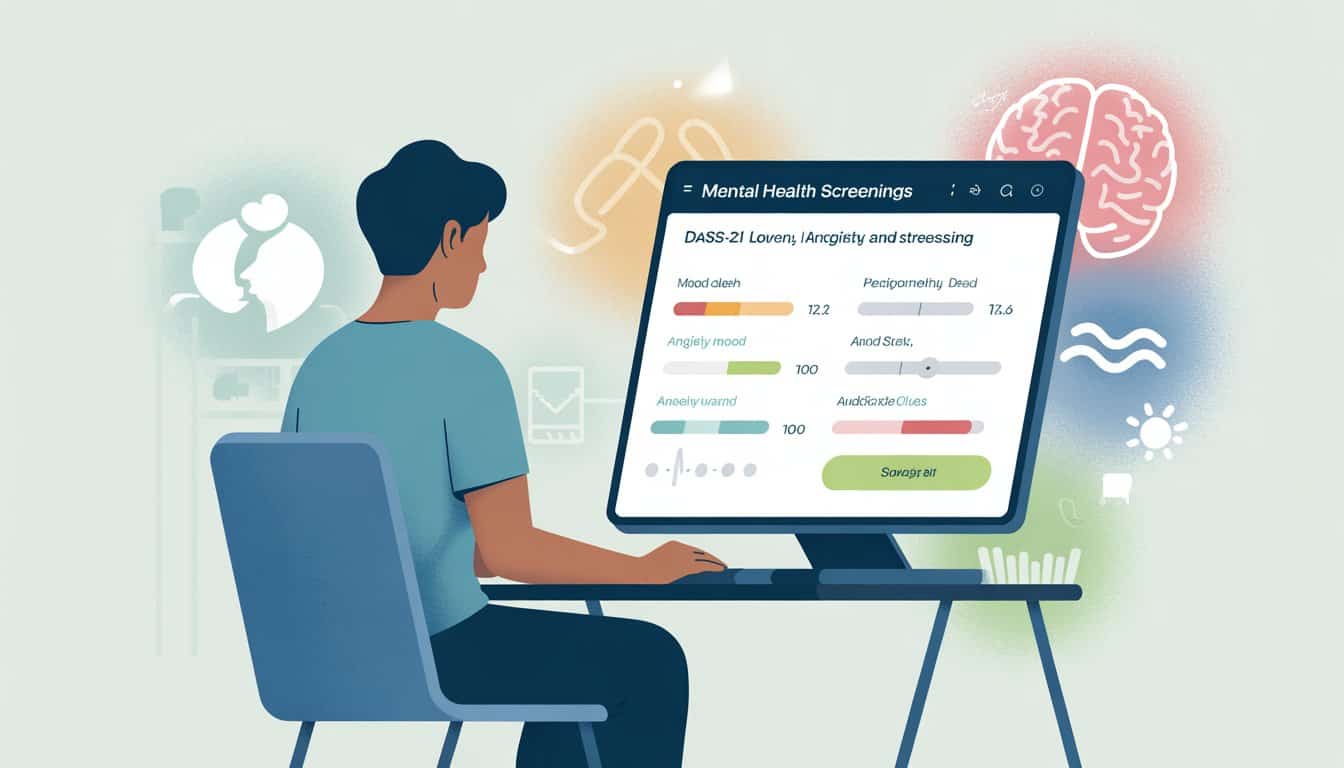
Understanding mental health screenings like the DASS-21 can provide valuable insights into your emotional well-being, especially in the context of a depression test in Malaysia. This guide explores how this tool assesses depression, anxiety, and stress levels through a series of questions, helping you identify potential issues early. Whether you’re seeking clarity on your mood or looking for next steps, this resource aims to empower you with knowledge and practical advice. You want clarity, fast. This tutorial shows how a customizable, desktop-friendly DASS‑21 screening helps you check mood, anxiety, and stress, and understand practical next steps. For a quick start, explore our depression test malaysia and learn how to use your results confidently.
DASS 21 Self-Test Questions

The DASS-21 is a widely used self-assessment tool that screens for depression, anxiety, and stress through 21 carefully crafted questions. Designed to be completed quickly, it asks you to rate statements based on your experiences over the past week, making it an accessible option for those exploring a depression test in Malaysia. This section breaks down the structure of the test, including preliminary questions and the main items, to help you understand what to expect and how to approach it effectively.
Sebelum kita mulakan, sila berikan sedikit latar belakang anda
Before diving into the DASS-21 questions, it’s helpful to provide some basic background information about yourself to contextualize your responses. Start by sharing your age, as it can influence how symptoms manifest and are interpreted in a depression test in Malaysia. Additionally, mention your current work status, such as whether you’re employed, studying, or unemployed, which might highlight stressors contributing to your mental health. This step ensures a more personalized understanding of your results.
Untuk membolehkan Jiwadamai menghubungi anda sila masukkan nama dan no telefon anda dibawah.
To facilitate follow-up support after completing your depression test in Malaysia, enter your full name in the provided field. Next, provide your phone number using the correct local format, such as starting with +60 for Malaysian numbers, to ensure smooth communication. This information allows services like Jiwadamai to reach out if needed, offering guidance based on your DASS-21 results. Remember, sharing these details is optional but can lead to more tailored assistance.
Soalan 1/21:
As you begin the DASS-21, the first question prompts you to reflect on your experiences over the past week, rating them on a scale from 0 to 3 for frequency. Be completely honest in your responses to get an accurate picture of your mental state, which is crucial for any depression test in Malaysia. This initial item often sets the tone, helping you gauge overall mood patterns. Taking your time here ensures the rest of the test flows more naturally.
Soalan 2/21:
The second question in the DASS-21 focuses on aspects of low mood, encouraging you to describe how typical days have felt recently. Maintain consistency in your ratings to build a reliable profile of your depression, anxiety, or stress levels. This step is particularly relevant for those using a depression test in Malaysia, as it highlights emotional dips that might need attention. Reflecting on this can also reveal patterns you hadn’t noticed before.
Soalan 3/21:
Question three shifts attention to worries and physical signs associated with anxiety, asking you to rate what best fits your recent experiences. Noting symptoms like restlessness or racing thoughts can provide insights into anxiety levels during your depression test in Malaysia. It’s important to be objective here to avoid under or overestimating your responses. This question helps differentiate between normal concerns and more persistent issues.
Soalan 4/21:
In this part of the DASS-21, you’ll check your motivation levels and notice any changes in energy that could indicate depression. Select the option that most accurately reflects your week, as this contributes to a comprehensive score in your depression test in Malaysia. Understanding these fluctuations can guide you toward appropriate self-care strategies. Remember, even small dips in motivation are worth acknowledging.
Soalan 5/21:
Question five asks you to recall periods of tension, including physical manifestations like muscle tightness, and rate your average experience. This is key for assessing stress in the context of a depression test in Malaysia, as it uncovers how your body responds to emotional strain. Being mindful of these signs can help in early intervention. Consider journaling similar experiences for better tracking over time.
Soalan 6/21:
Here, you’ll review your sleep quality, including issues like early waking, and score your typical nights on the scale. Sleep disturbances are common in depression and anxiety, making this a vital component of any depression test in Malaysia. Accurate rating helps in identifying patterns that might require lifestyle adjustments. If sleep issues persist, consulting a professional could be beneficial.
Soalan 7/21:
This question assesses the intensity of sadness, comparing it to your baseline and asking you to record the closest match. In a depression test in Malaysia, recognizing sadness levels can signal the need for support. Take a moment to think about how these feelings impact your daily life. Honest self-reflection here enhances the test’s value.
Soalan 8/21:
Notice feelings of restlessness and track urges to fidget, then select the frequency that matches your week. This item targets anxiety symptoms, which are essential to evaluate in a comprehensive depression test in Malaysia. Identifying these can lead to targeted coping strategies. Over time, monitoring such behaviors might show improvements with interventions.
Soalan 9/21:
Check your concentration levels today, thinking about focus on tasks, and rate the honest difficulty you’ve faced. Concentration issues often accompany depression, making this a critical question in your depression test in Malaysia. Acknowledging challenges here can motivate seeking help. Simple techniques like breaks might help mitigate this.
Soalan 10/21:
Reflect on instances of panic, including sudden surges, and mark the true frequency of these events. Panic symptoms are key indicators in anxiety screening within a depression test in Malaysia. Understanding their occurrence can inform relaxation practices. If frequent, professional advice is recommended.
Soalan 11/21:
Review your enjoyment levels in activities, noting any lost interest, and rate the overall trend. This question highlights depressive symptoms, crucial for a thorough depression test in Malaysia. Recognizing reduced pleasure can be the first step toward recovery. Engaging in small enjoyable tasks might help rebuild this.
Soalan 12/21:
Assess spikes in irritability, considering small triggers, and choose the option that fits best. Irritability often ties into stress, an important aspect of your depression test in Malaysia. Tracking triggers can aid in management. Mindfulness exercises could reduce these occurrences.
Soalan 13/21:
Scan for physical signs of anxiety, like elevated heart rate, and rate the typical intensity. Physical manifestations are telling in anxiety assessment during a depression test in Malaysia. Noting these helps in holistic understanding. Breathing exercises might alleviate such symptoms.
Soalan 14/21:
Check for hopeless thoughts and compare recent patterns, being objective in your rating. Hopelessness is a core depression indicator in any depression test in Malaysia. Addressing this early can prevent escalation. Positive affirmations may counter these thoughts.
Soalan 15/21:
Review muscle tension in areas like shoulders or jaw, and select the accurate frequency. Tension relates to stress, making it relevant for your depression test in Malaysia. Regular relaxation techniques can help. Monitoring this over weeks shows progress.
Soalan 16/21:
Assess levels of self-criticism, noticing harsh judgments, and score the realistic frequency. Self-criticism often exacerbates depression, key in a depression test in Malaysia. Cultivating self-compassion is beneficial. Therapy can address root causes.
Soalan 17/21:
Think about sudden fear and any triggering cues, then mark the closest option. Sudden fears point to anxiety in your depression test in Malaysia. Identifying triggers aids avoidance. Professional strategies can manage this effectively.
Soalan 18/21:
Evaluate mental fatigue, including strain in focus and decisions, and rate most days. Fatigue is common in mental health issues, vital for a depression test in Malaysia. Rest and nutrition can mitigate it. If persistent, seek medical advice.
Soalan 19/21:
Check feelings of task overload and pressure, selecting an honest rating. Overload indicates stress in your depression test in Malaysia. Prioritizing tasks helps. Delegation might ease the burden.
Soalan 20/21:
Review physical stress signs like headaches or tight chest, choosing the matching frequency. These symptoms are important in stress screening for a depression test in Malaysia. Lifestyle changes can reduce them. Consistent monitoring is key.
Soalan 21/21:
For the final reflection, consider the whole week and confirm your responses. This wraps up the DASS-21, providing a complete view in your depression test in Malaysia. Double-checking ensures accuracy. Use results to plan next steps.
Berikut adalah keputusan DASS anda:
Once completed, your totals appear instantly, split by depression, anxiety, and stress scales. Review them calmly to understand your standing in this depression test in Malaysia. These scores offer a snapshot of your mental health. Save them for future reference or sharing with professionals.
Here is your DASS result:
View the bar ranges that categorize your severity, noting where you fall. This visual aid in your depression test in Malaysia helps interpret results easily. Consider the implications for each category. A screenshot can be useful for tracking changes over time.
So, what do my results mean?
Interpreting your DASS-21 scores is essential to making sense of your depression test in Malaysia, as they map to severity bands indicating symptom intensity. These bands guide whether self-care suffices or if professional help is advisable, offering quicker clarity and tailored actions. Understanding this can empower you to take proactive steps toward better mental health, transitioning smoothly from screening to support.
| Scale | Normal | Mild | Moderate | Severe+ |
|---|---|---|---|---|
| Depression | 0–9 | 10–13 | 14–20 | 21+ |
| Anxiety | 0–7 | 8–9 | 10–14 | 15+ |
| Stress | 0–14 | 15–18 | 19–25 | 26+ |
Interpreting Depression Scores
Lower depression scores typically suggest a strong level of emotional resilience and minimal symptoms. As scores rise into mild or moderate ranges, you might notice reduced motivation and persistent low mood, common in those taking a depression test in Malaysia. Implementing mood-focused strategies, such as journaling or light exercise, can be helpful. Higher scores warrant considering professional intervention to address underlying causes.
Interpreting Anxiety Scores
A normal anxiety score indicates a steady emotional state with infrequent worries. Mild scores often point to situational anxiety that arises from specific stressors, which many experience during a depression test in Malaysia. Higher points may reflect hyperarousal, including physical symptoms like rapid heartbeat. Techniques like mindfulness can help manage these levels effectively.
Interpreting Stress Scores
Normal stress scores show a healthy balance in handling daily pressures. Mild stress suggests emerging strain that could build if unaddressed, relevant for users of a depression test in Malaysia. Higher bands indicate overload, potentially leading to burnout. Adopting relaxation methods can prevent escalation and restore equilibrium.
Severity Levels and Recommendations
For normal to mild severity, focus on optimizing sleep, incorporating regular movement, and maintaining a balanced routine to support mental health. In moderate cases, consider scheduling counseling within a few weeks to explore coping mechanisms, especially after a depression test in Malaysia. Severe levels require prompt professional assessment to ensure safety and appropriate treatment. Always prioritize your well-being when acting on these recommendations.
Can online tests and checklists diagnose me?
While online tools like the DASS-21 offer quick insights into potential mental health issues, they are not substitutes for professional diagnosis in the realm of a depression test in Malaysia. These screenings highlight patterns and risks, guiding you toward informed decisions without providing clinical verdicts. Recognizing their role can help you use them effectively as a starting point for deeper evaluation.
Limitations of Self-Assessment Tools
Self-assessment tools rely heavily on personal reporting, which can be influenced by current mood or biases. They often lack the context of your full medical history, potentially missing nuances in a depression test in Malaysia. Results may fluctuate based on timing, emphasizing the need for repeated use. Overall, they serve best as preliminary indicators rather than definitive answers.
Importance of Professional Evaluation
Professional clinicians bring expertise in assessing your complete history and ruling out related conditions. They can personalize care plans based on comprehensive evaluations, far beyond what a depression test in Malaysia screening provides. This thorough approach ensures accurate diagnosis and effective treatment. Seeking such evaluation is a key step in managing mental health effectively.
How do I get a diagnosis?
Obtaining a formal mental health diagnosis begins with consulting qualified professionals, such as a general practitioner or therapist, particularly after completing a depression test in Malaysia. Bringing your screening notes and scores can facilitate more efficient discussions about symptoms and options. This section outlines practical steps, including services available in Malaysia, to help you navigate the process smoothly.
Consulting a Healthcare Professional
Start by booking a dedicated appointment with a healthcare provider to discuss your concerns in detail. Share key symptoms and any results from your depression test in Malaysia to give them a clear picture. Request specific next steps, such as referrals or tests, to move forward. This proactive approach can lead to quicker insights and support.
Mental Health Services in Malaysia
In Malaysia, public clinics provide accessible mental health options with potentially lower costs. Private centers offer faster services, though fees can range from RM80 to RM300 per session, making them suitable for urgent needs after a depression test in Malaysia. Research local providers to find one that fits your budget and location. Many also offer telehealth for convenience.
Available Support Resources
Explore various counseling pathways, including online platforms and community centers in Malaysia. Inquire about group programs that can provide peer support alongside individual therapy following your depression test. Consider any workplace benefits that might cover mental health services. Utilizing these resources can build a strong support network for ongoing well-being.
We are here to help
Accessing support is crucial when dealing with mental health challenges, and there are numerous ways to get tailored assistance after your depression test in Malaysia. From direct contact with support teams to emergency hotlines, these options ensure you’re not alone. This section highlights how to reach out and what to expect, emphasizing safety and personalization.
Contact Our Support Team
When reaching out to our support team, clearly share your goals and any specific concerns from your depression test in Malaysia. Mention your schedule preferences to arrange convenient follow-ups. Request detailed information on available services. This communication helps tailor the support to your needs effectively.
Hotlines and Counseling Services
If you’re feeling unsafe, utilize crisis hotlines for immediate assistance in Malaysia. Seek same-day care through counseling services to address urgent issues post your depression test. Remember, safety always comes first in mental health matters. These resources provide confidential, professional help around the clock.
Free Mental Health Test
Free mental health tests like the DASS-21 offer an accessible way to gain immediate insights without any cost, ideal for those starting with a depression test in Malaysia. They provide privacy and speed, allowing you to track changes over time. This section encourages taking advantage of these tools and planning your next actions based on results.
Take our free mental health test
Set aside just five minutes to complete our free mental health test, ensuring you answer consistently for accurate results. This depression test in Malaysia is designed to be user-friendly on desktop devices. Once finished, save your results for personal records or professional discussions. Regular use can help monitor your progress effectively.
Ready to find out more?
Begin by listing your top priorities based on your test outcomes from the depression test in Malaysia. Choose one actionable step to implement immediately, such as scheduling a consultation. Reassess your situation next week to note any changes. This methodical approach fosters ongoing mental health improvement.
Other Available Self-Tests
Beyond the DASS-21, various self-tests can provide additional perspectives on mental health, complementing your depression test in Malaysia. These tools target specific areas like burnout or daily functioning, helping you build a fuller picture. Selecting the right one depends on your goals, and combining them can enhance overall understanding.
Patient Health Questionaire (PHQ-9)
The PHQ-9 specifically focuses on depression symptoms, covering aspects like mood and daily functioning. It offers clear cutoffs to gauge severity, making it a valuable addition to your depression test in Malaysia. Users appreciate its straightforward format for quick assessments. Results can guide discussions with healthcare providers.
Do you have symptoms of depression?
Notice signs like low interest in activities, which might indicate depression. Track changes in sleep patterns and monitor dips in energy levels as part of your depression test in Malaysia. Addressing these early can prevent worsening. Consider lifestyle adjustments to alleviate symptoms.
Copenhagen Burnout Inventory (CBI)
The CBI targets work-related exhaustion, separating personal and client-related strain for a nuanced view. It’s particularly useful for prevention in high-stress jobs, complementing a depression test in Malaysia. Regular use can highlight areas needing adjustment. Many find it eye-opening for career wellness.
Are you experiencing burnout or exhaustion?
Check for energy depletion that signals burnout, and note any rise in cynicism toward work. In the context of a depression test in Malaysia, consider workload adjustments to restore balance. Seeking support from colleagues can help. Preventive measures like breaks are essential.
World Health Organization Disability Assessment Schedule (WHODAS)
The WHODAS assesses daily functioning across areas like communication and mobility, providing a broad view. It complements symptom-based scales in your depression test in Malaysia by focusing on practical impacts. Scores help identify support needs. It’s widely used for its comprehensive approach.
Do you have any difficulty in communicating, socializing, life activities as well as self care?
Map out specific hurdles in communication or socializing that affect daily life. In a depression test in Malaysia, identifying these helps tailor support strategies. Track progress monthly to see improvements. Resources like therapy can address these challenges effectively.
Helpful articles
Helpful articles on mental health can translate your screening results into practical actions, especially after a depression test in Malaysia. They cover topics matching common barriers, encouraging small, regular experiments for improvement. This section points to key guides on anxiety, depression, and stress management.
Managing Anxiety in Daily Life
Practice diaphragmatic breathing to calm immediate anxiety symptoms. Schedule dedicated worry time to contain overthinking, a useful tip post your depression test in Malaysia. Gradually reduce caffeine intake to avoid exacerbating jitters. Consistent application of these strategies can lead to noticeable relief.
Coping Strategies for Depression
Start with tiny, achievable tasks to build momentum against depression. Increase exposure to daylight to boost mood naturally, complementing insights from your depression test in Malaysia. Lean on structured routines for stability and predictability. Over time, these habits can foster resilience.
Effective Stress Reduction Techniques
Incorporate micro-breaks hourly to recharge during busy days. Apply time blocking to organize tasks efficiently, reducing overwhelm after a depression test in Malaysia. Protect evening wind-down rituals to ensure restorative sleep. These techniques promote long-term stress management.
Tanda Kesihatan Mental Anda Teruk Semula
Recognizing signs of mental health relapse is vital, as they can be subtle yet impactful, particularly if you’ve taken a depression test in Malaysia. Early detection allows for timely intervention, using your personal baseline for comparison. This section details common indicators to watch for, helping you stay proactive.
Perubahan mood yang mendadak
Track sharp mood swings that deviate from your usual patterns. Compare them with your baseline from previous assessments like a depression test in Malaysia. Seeking timely support can prevent escalation. Journaling helps in monitoring these changes effectively.
Kehilangan minat dalam aktiviti biasa
Note any fading interest in hobbies that once brought joy. Check for social withdrawal as a related sign in your depression test in Malaysia context. Rebuild engagement gently with daily small steps. Professional guidance can accelerate recovery.
Masalah tidur atau selera makan
Watch for shifts in appetite that affect your energy levels. Monitor sleep fragmentation, which is common in mental health relapses after a depression test in Malaysia. Addressing routines like meal times and bedtime can help. If persistent, consult a doctor for advice.
Perasaan cemas atau tekanan berlebihan
Spot constant worry that feels overwhelming and persistent. Notice accompanying body tension, key in spotting relapse via a depression test in Malaysia. Use grounding techniques like deep breathing to manage. Building a support network aids in coping.
FAQs
How long does the DASS‑21 take?
Most people finish in about 5–7 minutes on desktop. Answer in one sitting for consistency. Review results immediately afterward. This quick timeframe makes it accessible for a depression test in Malaysia.
Is this a diagnosis?
No. It is a screening tool that estimates severity bands. Only qualified clinicians can diagnose. Use it as a starting point in your depression test in Malaysia journey. Follow up with professionals for accuracy.
What if my scores are high?
Prioritize safety and timely care. Arrange a professional assessment as soon as possible. Bring your scores to guide the conversation. In Malaysia, various services can support you post-depression test.