 By Carlos

Introduction
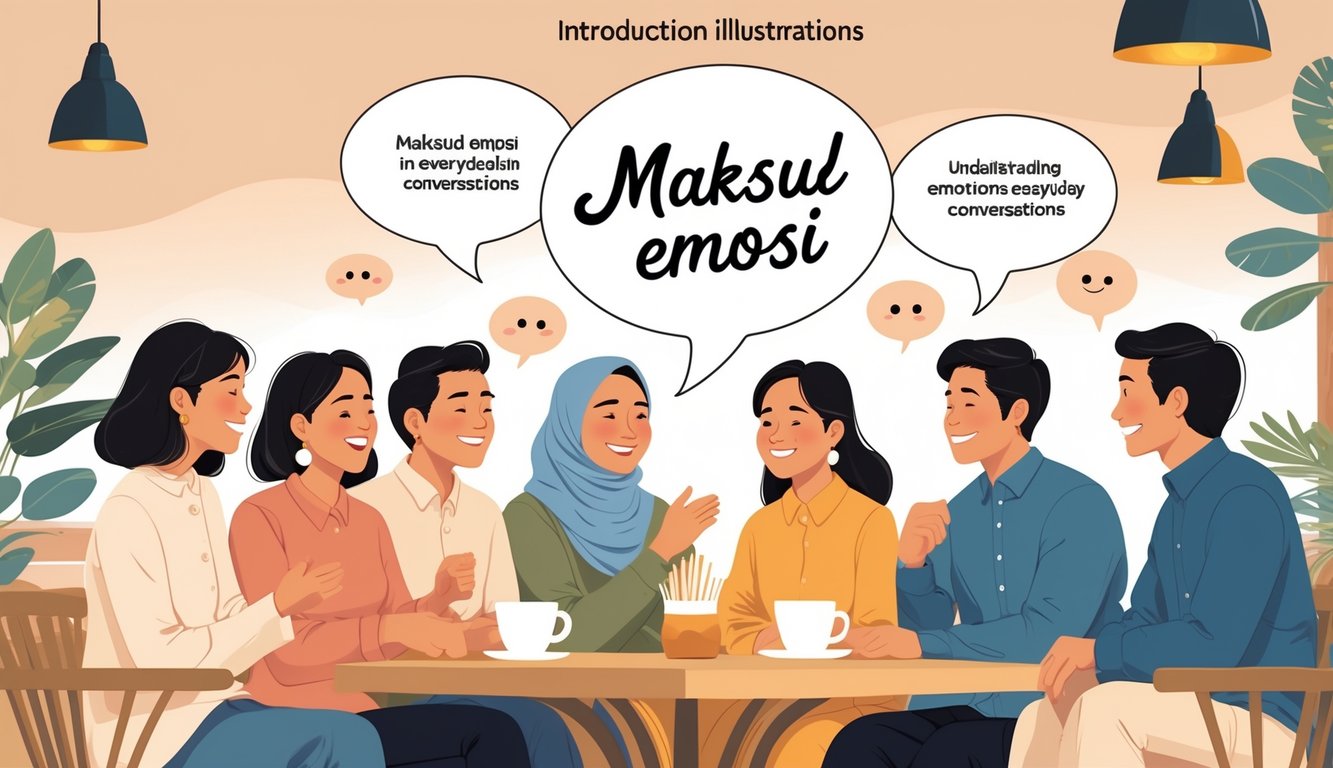
In everyday Malaysian conversations, you often encounter the phrase “maksud emosi,” which literally means the meaning of emotions. Understanding emotions clearly helps you name what you feel, explain it to others, and choose healthier responses. In this 2025 deep dive, you will learn the foundations of emotion science, how trauma shapes reactions, and a practical Malay–English list of emotion words with brief meanings. For quick navigation, you can skim the contents, then come back to sections that matter most to you. If you are just beginning and want a concise definition, see the section on Pengertian Emosi. For a longer glossary you can use in journaling or team check-ins, jump to Senarai Perkataan Emosi Berserta Maksud. To anchor your learning, here is a simple reference link using the same phrase you searched: maksud emosi.
Kandungan
This guide starts by clarifying what emotions are and how they are different from feelings and moods. You will then explore the main types of emotions, the causes and symptoms of emotional trauma, and a curated list of Malay emotion words with concise meanings to help you communicate with precision. Along the way, you will see recent insights and practical tips, including how to use scalable, privacy-respecting mood-tracking app features for personal use and within classrooms or teams in Malaysia. By delving into these topics, you’ll gain a comprehensive understanding of maksud emosi, enabling better emotional management in various aspects of life.
Pengertian Emosi
Emotion science has evolved rapidly, and the latest updates emphasize that emotions are patterns of changes that include your body’s reactions, thoughts, and readiness to act. These patterns are shaped by biology, personal history, and culture. In a Malaysian context, language and norms influence when and how you express emotions, which is why being precise about meanings helps you navigate family, school, and workplace interactions more effectively. This section will break down the basic definitions and main types to provide a solid foundation for understanding maksud emosi.
Definisi Asas
Emotions are short-lived states that arise in response to a stimulus and prepare you for action. They typically involve bodily sensations (like a racing heart or relaxed muscles), thoughts (such as evaluation and labeling), and behaviors (such as speaking up or withdrawing). Feelings are your subjective, conscious experience of those states; they are how emotions feel from the inside. Moods last longer and are more diffuse; you might be in a “good mood” or “down” for hours or days without a clear trigger. Affect is a broader umbrella for emotional expression, including tone of voice and facial cues. When you ask for the maksud emosi, you are asking for the concept behind these quick, adaptive response patterns that help you survive and connect. Recognizing these distinctions can enhance your emotional intelligence and improve daily interactions.
Jenis-jenis Emosi Utama
Researchers have proposed different models. One approach lists “basic” emotions such as joy, sadness, fear, anger, disgust, and surprise that appear across cultures. Another approach maps emotions along dimensions like valence (pleasant to unpleasant) and arousal (calm to activated). Social emotions—such as shame, guilt, pride, and compassion—emerge through relationships and cultural learning. In real life, your emotions often blend; you might feel relief and sadness at the same time, or anger mixed with love. Understanding these families of emotions helps you choose the right regulation strategy—breathing for high arousal, reframing for negative thoughts, or connecting with others for social emotions. This knowledge is particularly useful in diverse Malaysian society, where cultural nuances can influence emotional expression and interpretation.
Punca Trauma Emosi
Emotional trauma occurs when your nervous system is overwhelmed by stressors that exceed your capacity to cope, leaving lingering imprints on body, mind, and behavior. Trauma can result from a single shocking event or from chronic, cumulative stress. Recognizing causes and symptoms helps you seek support early, adapt your daily routines, and consider professional help when needed. In the following subsections, we’ll explore the key factors contributing to emotional trauma and its common symptoms, providing insights relevant to maksud emosi in the context of trauma.
Faktor-faktor Punca
Trauma may stem from accidents, natural disasters, violence, bullying (including cyberbullying), or sudden loss. Repeated exposure to stress—such as prolonged workplace harassment, family conflict, or financial insecurity—can also produce traumatic stress. In Malaysia, factors like exam pressure, migration for work, cultural expectations around “saving face,” and community emergencies can intensify emotional strain. Early adverse experiences in childhood, such as neglect or witnessing domestic conflict, can sensitize your system, making later stressors feel heavier than they seem to others. Understanding these factors is crucial for prevention and early intervention in emotional health.
Simptom Trauma Emosi
Common signs include hyperarousal (easily startled, difficulty sleeping, irritability) and hypoarousal (numbness, disconnection, low energy). You might notice intrusive memories or nightmares, avoidance of places or topics, negative thoughts about yourself, and feelings of shame or guilt. Physical symptoms, like headaches, stomach discomfort, and muscle tension, often accompany trauma responses. If symptoms persist for weeks and disrupt work or relationships, consider a mental health check-in; in many Malaysian cities, private counseling can range roughly from RM150 to RM350 per session, with community and university clinics sometimes offering lower-cost options. This article is for education, not diagnosis—please seek professional care if you are concerned. Early recognition of these symptoms can lead to better management and recovery from emotional trauma.
Senarai Perkataan Emosi Berserta Maksud
Building a precise emotion vocabulary gives you a shared language for journaling, counseling, and team communication. The table below lists common Malay emotion words, their English gloss, valence, short meanings, and typical intensity. Because culture shapes expression, some words may emphasize politeness or social harmony in Malaysian contexts. If you use a mood journal or app, you can add these labels as tags, making it easier to track patterns and share summaries. For scalable use—say, in a classroom, community program, or HR setting—look for app features such as offline capture (for low-connectivity areas), bilingual labels, customizable lists, data export (CSV), and role-based privacy; these features help you scale from individual use to group insights while protecting confidentiality. This section expands on maksud emosi by categorizing emotions into positive, negative, and neutral types for better understanding.
| Malay Term | English Gloss | Valence | Short Meaning | Typical Intensity |
|---|---|---|---|---|
| Gembira | Happy | Positive | Feeling pleased and uplifted | Medium |
| Teruja | Excited | Positive | Energized anticipation | High |
| Syukur | Grateful | Positive | Appreciative and thankful | Low–Medium |
| Bangga | Proud | Positive | Satisfied with achievements | Medium |
| Tenang | Calm | Positive | Relaxed and steady | Low |
| Lega | Relieved | Positive | Tension released after worry | Low–Medium |
| Marah | Angry | Negative | Feeling wronged; urge to act | Medium–High |
| Kecewa | Disappointed | Negative | Expectations not met | Low–Medium |
| Takut | Afraid | Negative | Threat perceived; protective | Medium–High |
| Risau | Worried | Negative | Concern about uncertainty | Low–Medium |
| Sedih | Sad | Negative | Sense of loss or disappointment | Medium |
| Malu | Embarrassed/Shy | Negative/Social | Self-conscious in social eyes | Low–Medium |
| Jijik | Disgust | Negative | Repulsion to avoid harm | Medium |
| Terkejut | Surprised | Neutral | Sudden attention shift | Medium |
| Ingin tahu | Curious | Neutral | Motivated to explore | Low–Medium |
| Tawar hati | Disenchanted | Neutral/Negative | Lost interest or trust | Low–Medium |
| Serba salah | Conflicted | Neutral | Torn between choices | Low–Medium |
| Hampa | Dejected | Negative | Low mood after setback | Low–Medium |
| Kasihan | Pity/Compassion | Positive/Social | Concern for others’ suffering | Low–Medium |
| Rindu | Longing/Miss | Mixed | Missing someone or something | Medium |
| Cemburu | Jealous | Negative | Threat to valued relationship | Medium |
| Geram | Annoyed/Vexed | Negative | Irritated with impulse to act | Medium |
| Bimbang | Anxious | Negative | Apprehensive and uneasy | Medium |
| Kelegaan | Sense of relief | Positive | Outcome eased your concern | Low |
Emosi Positif
Positive emotions such as gembira, syukur, and tenang broaden your attention, fuel creative thinking, and strengthen relationships. When you notice these states, you can savor them—by pausing, labeling the feeling, and sharing gratitude—which helps consolidate memory and resilience. In practice, small habits like a daily gratitude note or a one-minute breathing pause between meetings can shift your baseline toward calm and clarity. Incorporating these positive emotions into daily life can significantly improve overall well-being and productivity.
To scale positive emotion practices across groups, consider simple shared rituals: a short “wins of the week” round in team meetings or a classroom check-in using color-coded emotion cards. App-wise, look for features that allow quick tagging (“syukur,” “lega”) and aggregate weekly trends; this lets you see whether small interventions are working without exposing individual entries. Such approaches make maksud emosi more applicable in collective settings, fostering a supportive environment.
Emosi Negatif
So-called negative emotions—marah, sedih, risau—are not “bad”; they carry vital information. Anger can signal boundary violations; sadness can prompt rest and reflection; worry can motivate planning. The goal is not to erase these states but to respond wisely. Techniques like paced breathing for anger, scheduling a worry window for anxiety, and seeking social support for sadness can reduce intensity and improve decision quality. If these emotions persist or impair function, speak with a professional; timely support tends to lower both personal and workplace costs over the long term. Understanding the maksud emosi behind these feelings helps in transforming them into constructive actions.
For teams, scalable supports include anonymous pulse checks, opt-in psychoeducation modules in both English and Malay, and auto-generated reports that track only aggregated patterns. Choose tools with role-based access and encryption, so managers see trends (e.g., rising “risau”) without viewing personal diaries; this balances care with privacy. Implementing these strategies can mitigate the impact of negative emotions in group dynamics.
Emosi Neutral
Neutral states, such as terkejut or ingin tahu, are flexible spaces where you can choose a direction. Curiosity helps you learn and innovate; surprise helps you update beliefs quickly. By noticing neutrality, you can pivot from reactivity to exploration—asking questions, gathering data, or postponing a heated conversation. These moments are ideal for micro-habits: a body scan, a single deep breath, or jotting a quick label in your journal or app before you decide what to do next. Embracing neutral emotions can lead to more deliberate and effective responses in various situations.
In education and community programs, neutral check-ins scale well: they take little time, reduce stigma (no one is forced to share personal stories), and still provide useful signals. Over weeks, the distribution of labels—more “tenang” days, fewer “risau” spikes—becomes a dashboard for planning supportive activities. This approach enhances the practical application of maksud emosi in broader contexts.
Rujukan
Key references shaping contemporary understanding include cross-cultural emotion research, dimensional models of affect, and clinical literature on trauma and resilience. Recent reviews emphasize that emotions are context-dependent constructions grounded in physiology and learning, and that regulation strategies should be matched to arousal and appraisal patterns. Practitioner guidelines in Malaysia highlight culturally sensitive communication and stepped-care approaches that blend self-help, community supports, and specialist services when required. These sources provide a robust foundation for exploring maksud emosi and its implications.
Bacaan Lanjut
If you want to deepen your knowledge after mastering the basics, consider accessible books and guides on emotion regulation, trauma-informed care, and compassionate communication. Look for recent editions or 2023–2025 updates that integrate cultural factors and digital well-being. Titles covering mindfulness for high arousal states, practical cognitive reframing, and community-based mental health can be especially helpful for Malaysian families, educators, and HR practitioners. Expanding your reading can further illuminate the nuances of maksud emosi.
Pautan Luar
For community-oriented information, you may explore resources from the Ministry of Health Malaysia on mental health literacy, university counseling centers offering low-cost services, and global organizations that publish plain-language guides on stress, anxiety, and trauma. Professional bodies for psychologists and counselors, as well as local NGOs that focus on youth well-being, often produce bilingual materials and workshop notes suitable for classrooms and workplaces. When you review resources, prefer those that explain privacy, data handling, and evidence basis for any recommended self-help tools. These external links can complement your understanding of maksud emosi with practical, real-world applications.
FAQ
Frequently asked questions provide quick answers to common inquiries about emotions and trauma. This section addresses key concerns to help you apply the concepts of maksud emosi in your daily life. Browse through these to clarify any doubts and enhance your emotional awareness.
What is the simple maksud emosi?
Emotions are short-lived response patterns that coordinate your body, thoughts, and actions in reaction to a situation. They help you survive, communicate, and make decisions. The “meaning of emotion” includes how it feels, what it signals, and what it prepares you to do. Understanding this basic definition can be the first step in improving emotional literacy.
How are emotions different from feelings and moods?
Emotions are quick, adaptive patterns; feelings are the subjective experience of those patterns; moods are longer, more diffuse states without a specific trigger. In practice, you may feel an emotion, label the feeling, and notice a mood lingering through the day. This distinction is important for effective emotional management. Recognizing these differences aids in better self-awareness and communication.
What are early signs of emotional trauma?
Common early signs include disturbed sleep, irritability or numbness, intrusive memories, and avoidance of reminders. If symptoms persist for weeks or disrupt work and relationships, consult a professional; many Malaysian clinics offer counseling with fees that may range around RM150–RM350 per session. Physical symptoms like headaches may also appear. Seeking help early can prevent long-term issues.
Can apps really help me name and manage emotions at scale?
Yes—if you choose the right features. Look for bilingual labels, quick tagging, offline capture, private-by-default entries, and exportable summaries. For teams or classrooms, role-based access and aggregated reporting help you scale insights while protecting confidentiality. These tools can make tracking maksud emosi more efficient and effective.
What is one practical daily tip to regulate strong emotions?
Pair a brief body technique with a thinking technique. For example, do three slow breaths (physiological reset) and then reframe one thought (cognitive shift). This two-step routine is fast, evidence-informed, and suitable for busy schedules. Consistent practice can lead to better emotional regulation over time.